
Utility Demand Charges and the 15-Minute Interval
You've probably heard of Demand Charges, but do you understand what they are and how they can affect your profits?
Many commercial and industrial utility bills include demand-based billing charges in addition to energy charges:
- Energy Charge: Total electricity consumed.
- Demand Charge: The highest average electrical rate during a 15-minute interval, though some utilities use 30-minute intervals.
While the energy charge measures the amount of energy consumed over time (typically 30 days), the demand charge measures the amount of power consumed at a specific moment. In this case, that moment lasts 15 minutes.
What is a 15-Minute Demand Charge?
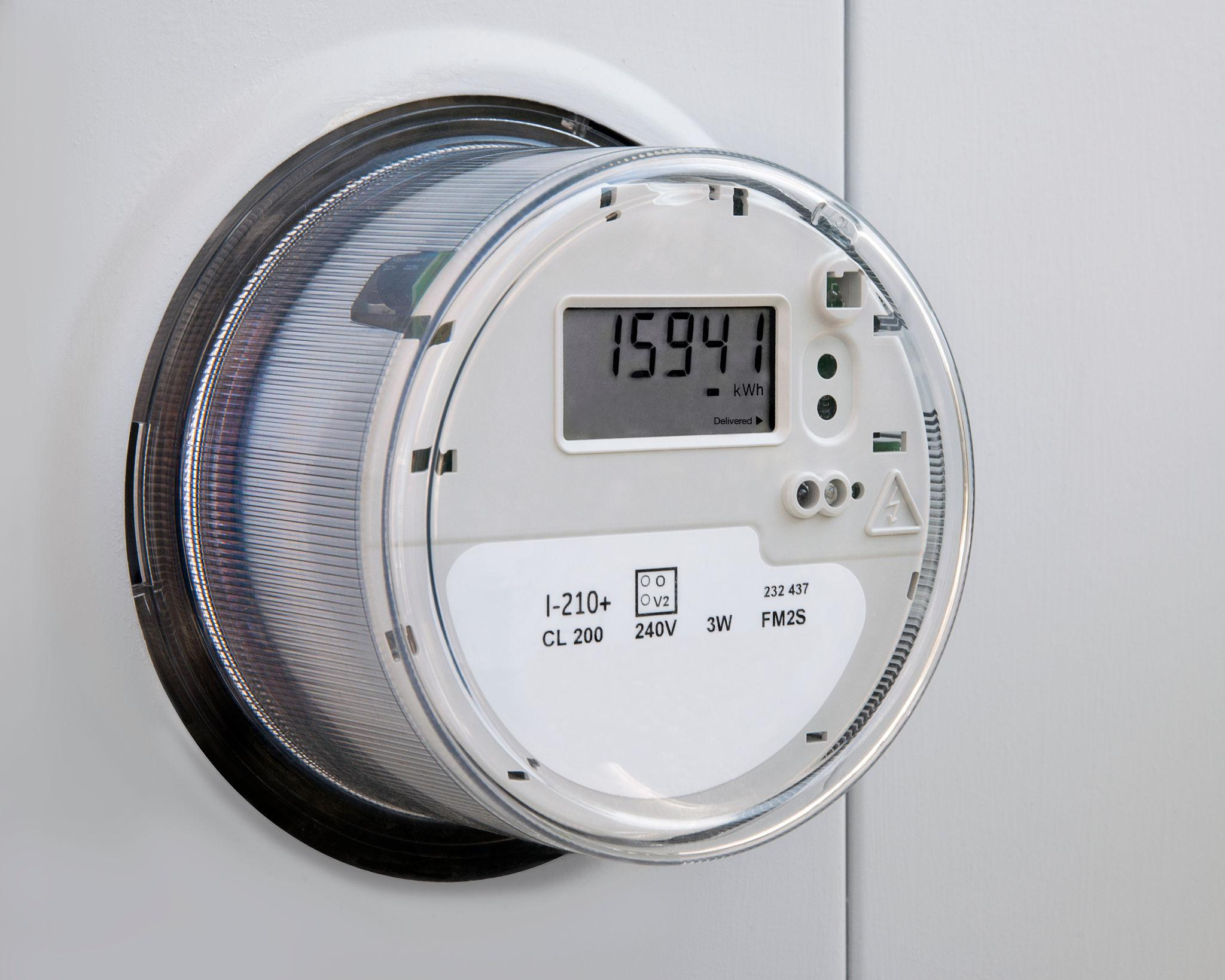
Many utilities measure average power demand over 15-minute intervals. During a 30-day billing cycle, there are about 2,880 fifteen-minute intervals.
Your meter constantly records energy usage. At the end of the billing cycle, the utility identifies:
- The single 15-minute period where your average power draw was highest.
That peak serves as the basis for the demand charge in that month. The demand charge is added to the energy charge to make up the month's electricity bill.
Why?
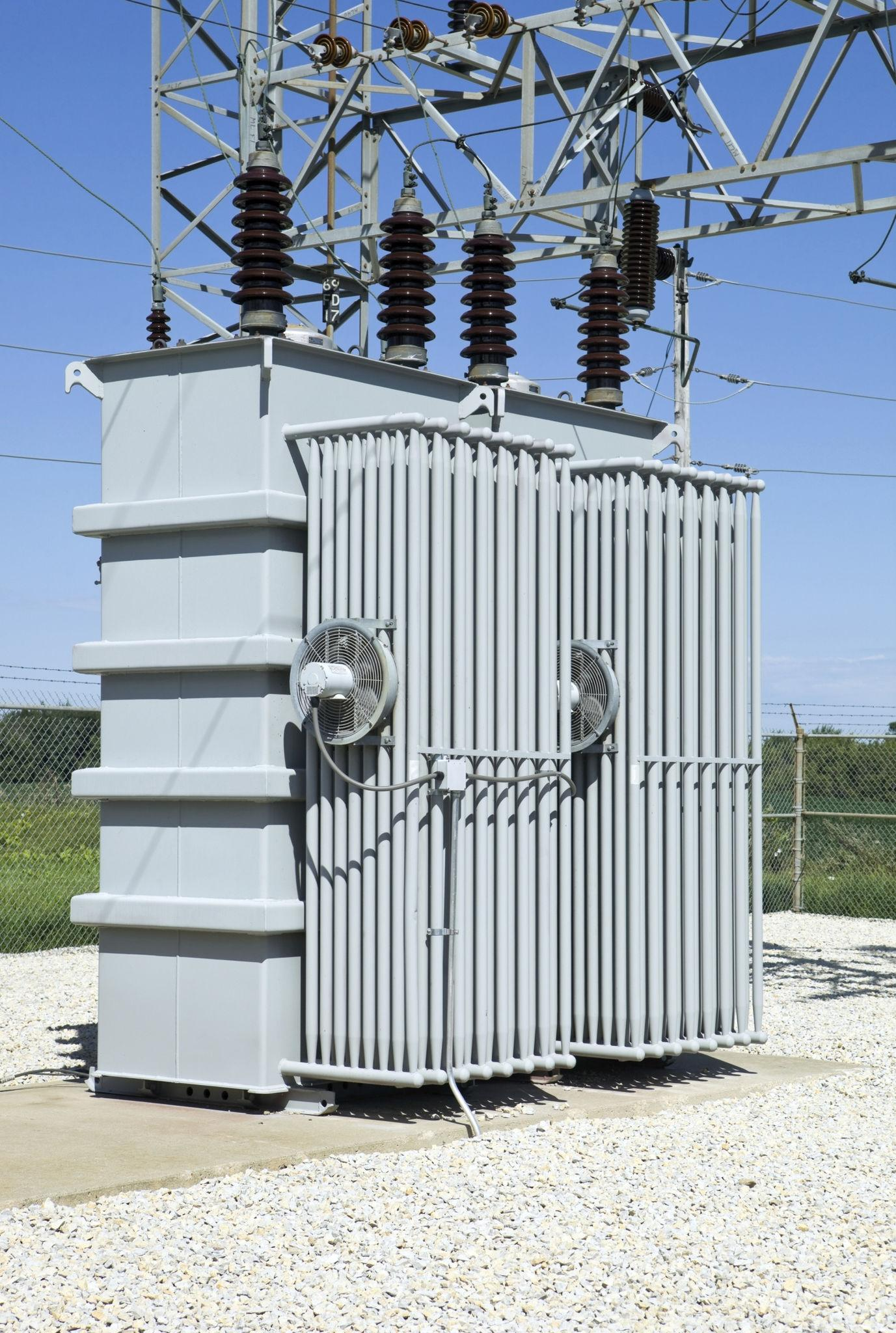
Electric utilities must design and maintain infrastructure, such as transformers, feeders, substations, and generation capacity, to meet maximum demand, not average usage.
For example, if a facility's highest 15-minute average demand during a billing period is 800 kW, the grid and all its individual components must be able to deliver that load reliably and safely. Even if the facility typically operates at 600 kW, the grid must be sized for peak usage.
Demand charges are designed to recover the costs associated with building and maintaining that capacity. Logically, customers who require higher peak capacity should contribute proportionately to fund the infrastructure to support it.
The demand charge encourages consumers to be more conscious of their electricity usage.
Impact
For commercial operators, the issue is the volatility at their site. Because demand charges are based on the highest 15-minute interval in the billing cycle, a single coincidental load event can materially affect monthly operating expenses.
Common drivers of peak events include:
- Simultaneous motor starts
- Chiller and HVAC during hot weather
- Cycling of production equipment
- EV fleet charging
- Refrigeration compressor
If demand rates are between $15 and $25 per kW, a 200 kW spike can add $3,000 to $5,000 to the monthly bill. That exposure makes peak demand a financial management issue.
Coincident Peaks
You should be aware of another type of demand charge used by some utilities:
- Non-coincident demand: The highest 15-minute usage.
- Coincident demand: Peak usage during system-wide peak hours.
If electrical usage in your building spikes at the same time the grid is stressed (for example, air conditioners running full blast between 4 and 7 PM to beat the summer heat), the electricity rate may be even higher.
That's why summer bills can skyrocket without obvious increases in total energy consumption.
What Can You Do?
Energy storage provides a way to reduce your bill through peak shaving. Peak shaving is an energy management strategy that utilizes energy storage to reduce electrical consumption from the grid during periods of high demand. When the electrical demand approaches a preset threshold, the battery discharges to offset grid power draw. Instead of pulling the full peak from the utility, part of the load is supplied by local energy storage.
Batteries are increasingly used for peak shaving.
Here's how it works:
- Facility peak: 800 kW
- Battery discharge during peak: 200 kW
- Grid demand is reduced to 600 kW
At $25/kW, the 200 kW reduction represents $5,000 in monthly savings.
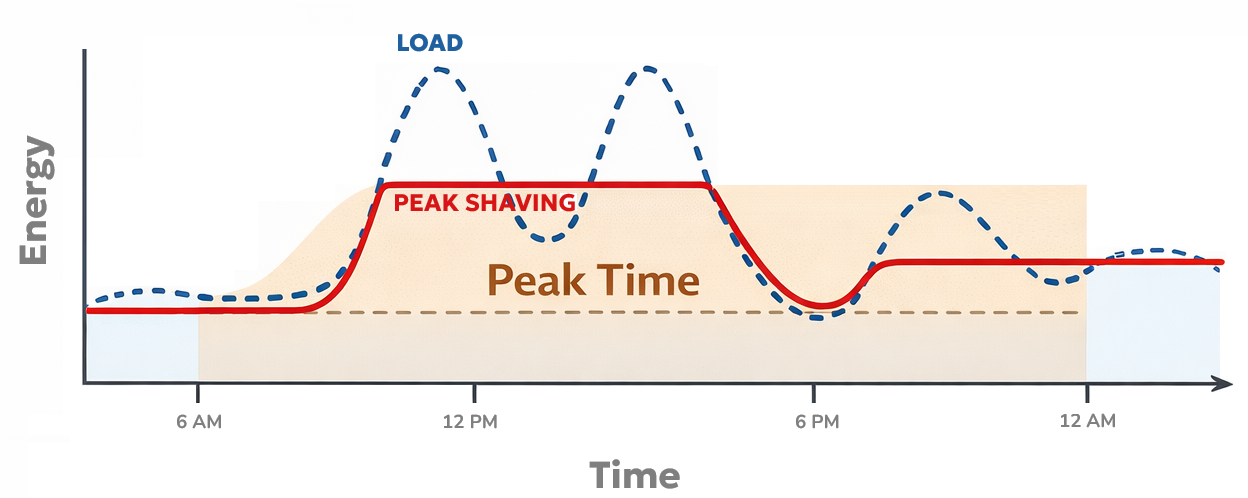
By using batteries to reduce the peaks in energy demand in an environment that is heavily weighted with demand charges, you may find that the batteries pay for themselves primarily through peak shaving and not through energy savings.
The result:
- Predictable monthly bills
- Reduced exposure to sudden spikes
- Better control over operating costs
Properly designed systems use historical interval data to size storage capacity based on:
- Peak magnitude
- Peak duration
- Frequency of events
- Utility rate structure
For information on determining how much battery you need, see How to Size Batteries for Peak Shaving.
NOTE: Demand billing structures vary by utility. Utilities may apply one or more of the following demand charge practices:
- 15 or 30-minute demand intervals
- Demand ratchets based on prior months
- On-peak demand charges
- Coincident peak demand charges.
Understanding the billing practices of your utility is essential for evaluating demand charge reduction strategies.
Conclusion
Electrical systems are under increasing pressure due to growing electrification, EV adoption, aging infrastructure, and increased air conditioning loads (climate change).
As electrification expands, utilities are placing a greater emphasis on capacity-based pricing. The more electrified society becomes, the more valuable peak control becomes.
This changes the conversation from:
“How many kilowatt-hours did I use?”
to
“How high was my peak energy usage?”
You may use electricity for 43,200 minutes in a 30-day billing cycle, but a single 15-minute window can account for 30-70% of your electrical bill. Understanding demand charges can transform your energy strategy.
In today’s rate structure, it’s not how long you use power; it’s how hard you hit the grid, even if it's only 15 minutes.
Click here for information on Discover's commercial products.
Interested in working with Discover Energy Systems?
Contact our energy storage experts today to discuss your project requirements, get a quote, or find a distributor near you.