Remote Diesel Abatement System (Northern Territory, Australia)

Installer: Northern Power Systems

Overview

A remote critical infrastructure site in Australia’s Northern Territory required reliable three-phase power for sensitive equipment in a challenging tropical environment.

The site’s existing grid connection was unable to support the additional electrical loads required by the facility. Without a hybrid energy system, the site would have been forced to rely more heavily on diesel generation, increasing fuel use, maintenance requirements, and operating costs.

Northern Power Systems designed and installed a hybrid power system using Discover Energy Systems high-voltage battery storage, Solis three-phase hybrid inverters, and diesel generator backup. The result is a more efficient power architecture that allows the batteries to support the majority of the site load while the generator is used as a controlled charging source.

Challenge

Delivering reliable three-phase power in remote environments can be difficult, especially where grid capacity is limited and operating conditions are harsh.

The site required stable power for sensitive equipment while operating in a hot, dusty, and humid tropical climate. At the same time, the existing grid supply could not support the new site loads, creating the need for a system that could improve power availability without defaulting to continuous diesel generator operation.

Key challenges included:

  • Insufficient grid capacity for new electrical loads
  • Sensitive equipment requiring high-quality three-phase power
  • Remote-site access and maintenance constraints
  • High temperatures, humidity, and airborne dust
  • The need to reduce diesel generator runtime
  • Separate infrastructure huts requiring reliable power

Requirement

Deliver stable three-phase power for remote critical infrastructure while reducing diesel generator runtime, fuel consumption, and generator servicing requirements.

Solution

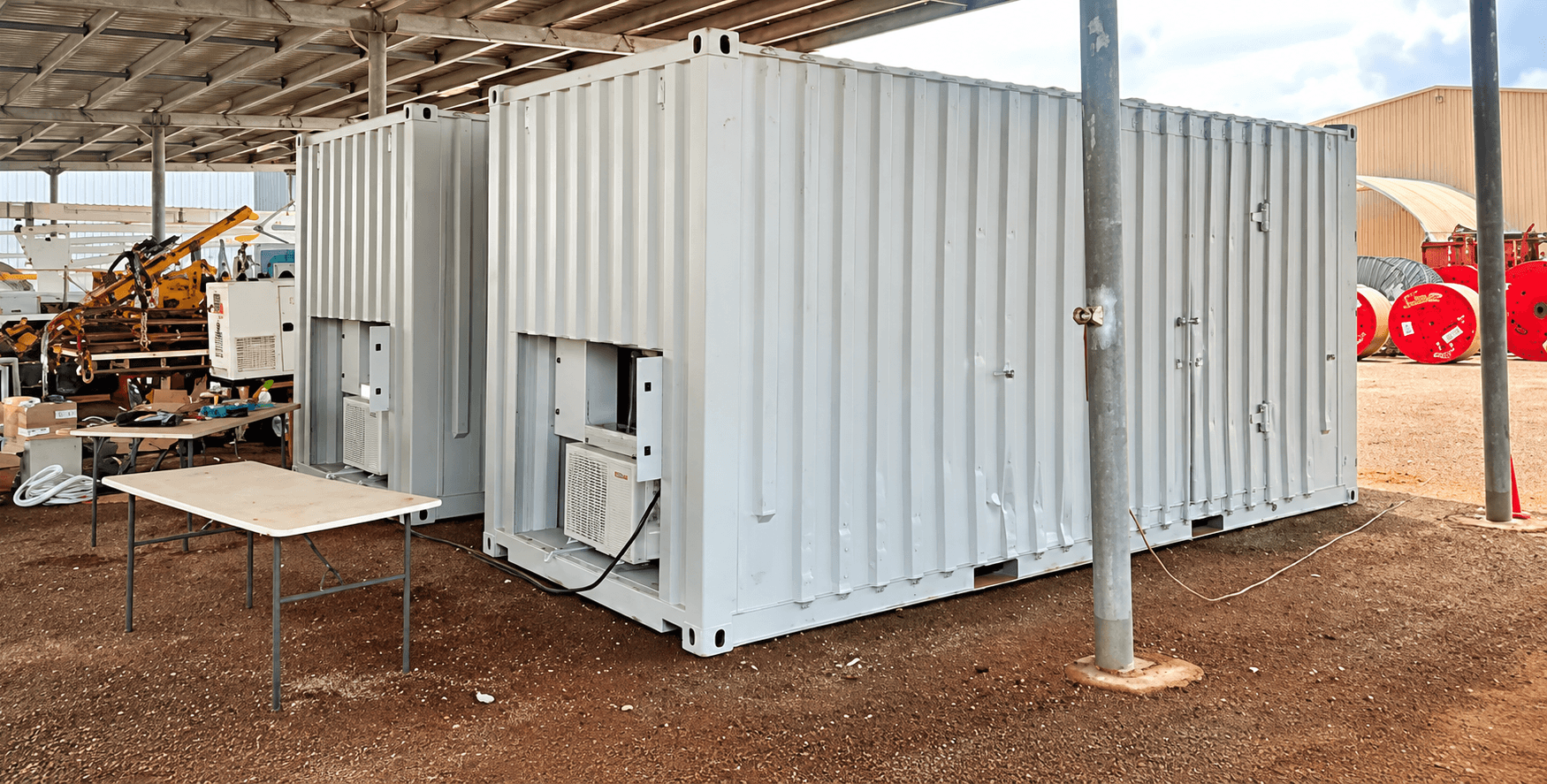
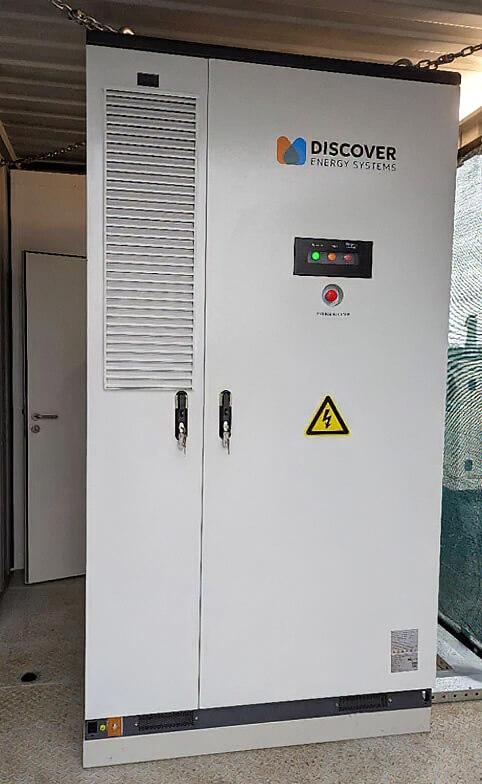
Northern Power Systems deployed two containerized hybrid power systems, each built around Discover 210HV battery storage and Solis three-phase hybrid inverters.

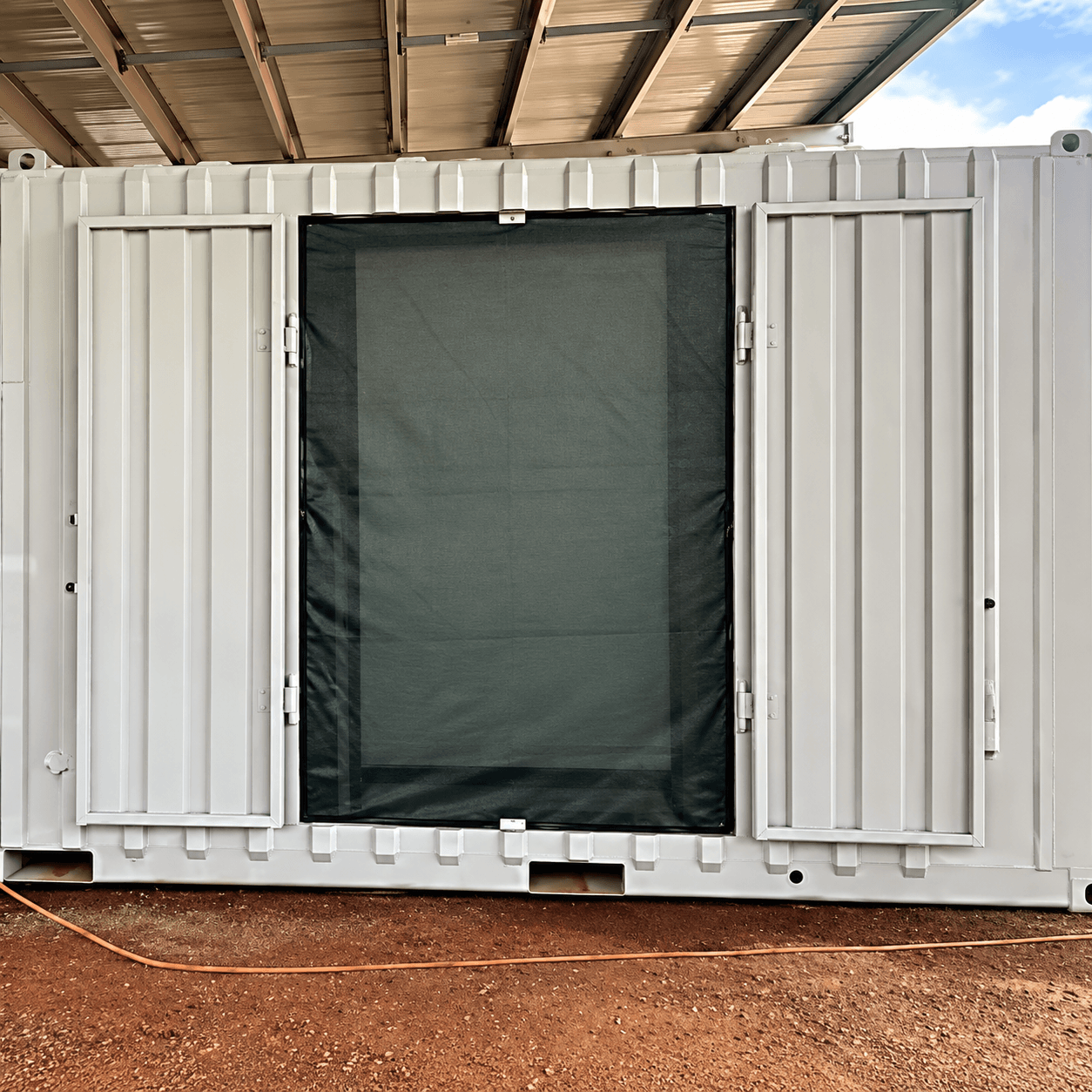
Each Discover 210HV battery system was installed inside a 20-foot high-cube container modified with side doors to support airflow and ventilation. At the end of each container, an insulated and air-conditioned equipment room was constructed to house the Solis hybrid inverters.

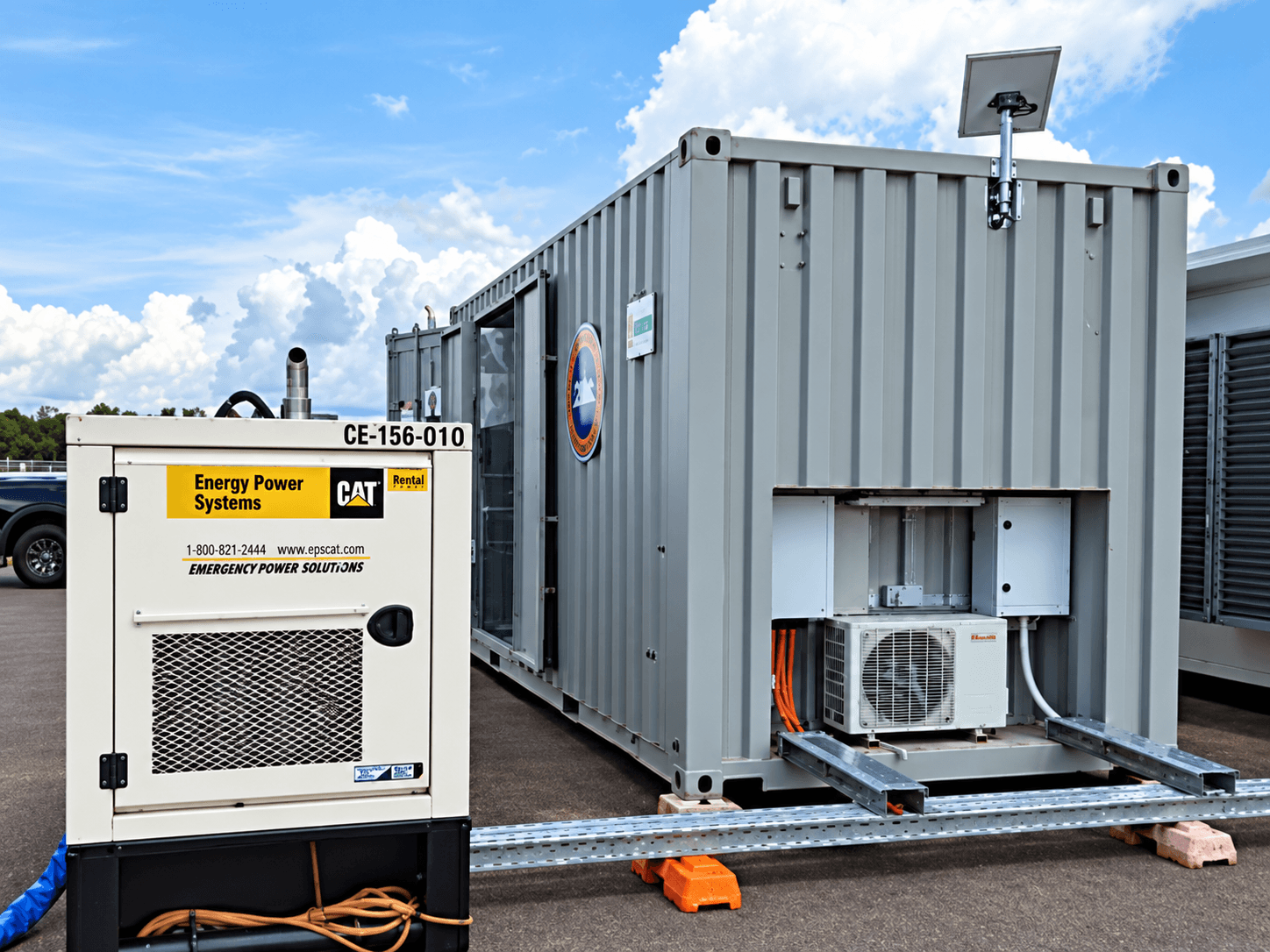
The two identical container systems provide power to separate infrastructure huts on the site. The Solis inverter platform manages power between the batteries, generator, and site loads, allowing the batteries to act as the primary power source while the generator periodically recharges the system.

This architecture reduces reliance on continuous diesel generation and helps deliver stable three-phase power in demanding environmental conditions.
 

Image
Image
Image
Alt Text

System Details

Discover Products

  • 2 × Discover 210HV high-voltage battery systems
  • Containerized installation for remote-site deployment
  • Battery systems used as the primary power source for site loads

Other Products

  • 4 × Solis 50 kW three-phase hybrid inverters
  • 80 kVA diesel generator
  • 2 × modified 20-foot high-cube containers
  • Insulated and air-conditioned inverter rooms
  • Generator charging strategy for battery recharge

Outcome

The completed system provides reliable three-phase power while significantly reducing the site’s dependence on diesel generation.

During early operation, the battery systems handled the majority of the site load, with the generator running approximately three hours every five days to recharge the batteries. Battery temperature remained below 29°C despite the hot and humid tropical environment.

Key benefits include:

  • Stable three-phase power for sensitive equipment
  • Reduced diesel generator runtime
  • Lower fuel consumption and servicing requirements
  • Battery-led operation with generator charging only when required
  • Containerized design suited to remote deployment
  • Thermal management for harsh tropical conditions
  • Scalable architecture as additional site loads are added

By shifting the generator from the primary power source to a controlled charging resource, the system creates a more efficient and serviceable approach to remote critical infrastructure power.

What Makes This Project Unique

Battery-led hybrid architecture

The batteries support the majority of the site load, while the generator is used primarily to recharge the battery system when required.

Significant generator runtime reduction

Early operation showed the generator running approximately three hours every five days, reducing fuel use and maintenance compared with conventional generator-only operation.

Designed for tropical conditions

Modified high-cube containers, ventilation, and air-conditioned inverter rooms help protect critical equipment from heat, humidity, and airborne dust.

Two-container deployment

Separate containerized systems provide power to different infrastructure huts, improving flexibility and aligning power equipment with site needs.

Remote critical infrastructure application

The project demonstrates how battery storage, hybrid inverter control, and generator backup can work together to deliver stable power in grid-constrained locations.

Project Partner

Northern Power Systems installed the containerized hybrid power system for the remote Northern Territory site. The company engineered the deployment to support sensitive critical infrastructure loads while reducing diesel generator runtime and improving power reliability in demanding environmental conditions.
Top Bar List Menu items - Off Canvas Side Menu mobile